Local marketing (Assam & NE)6 min read
Durga Puja, Kati Bihu and Diwali: A Festive Marketing Checklist for Assam Businesses
 By Sneha Saha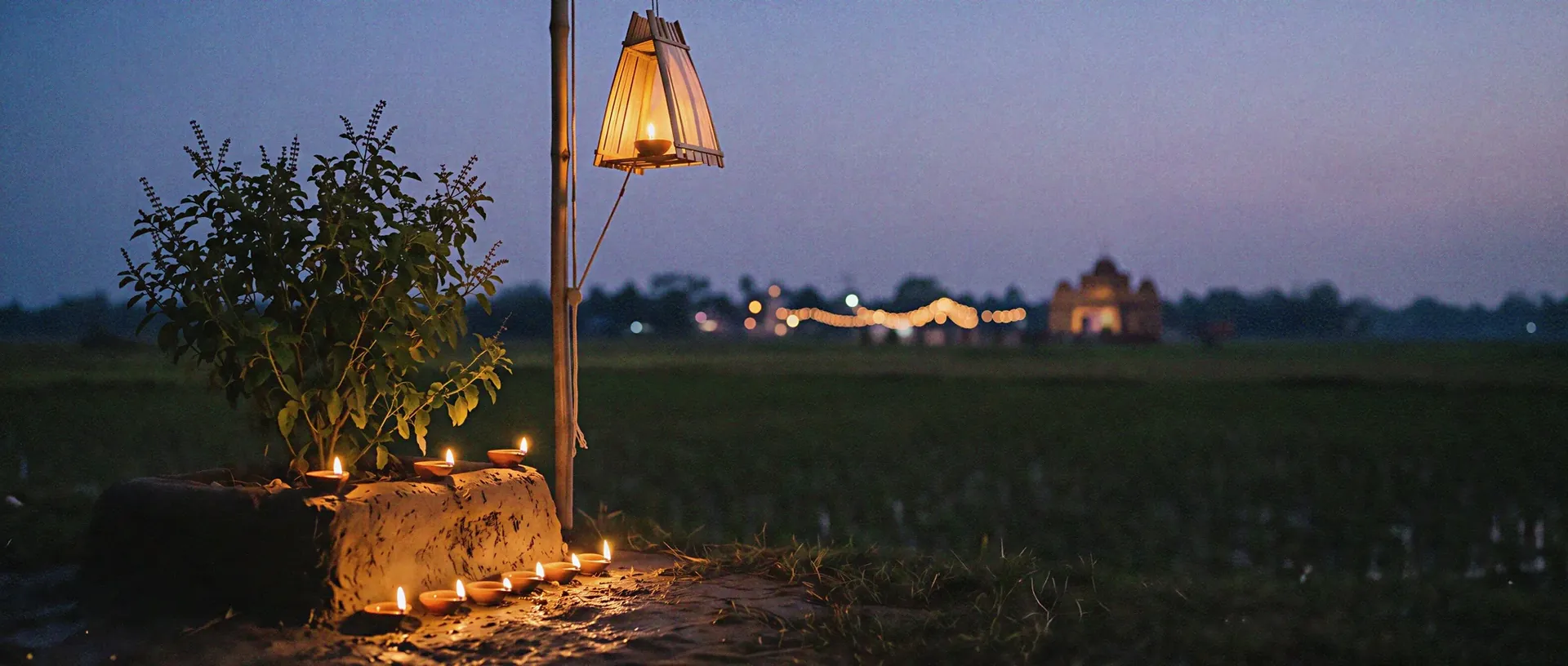
The October–November festive season is the busiest marketing period of the year for many businesses in Assam. In 2026, Durga Puja runs from Maha Shashthi on 16 October to Vijaya Dashami on 21 October, Kati Bihu falls on 18 October, and Diwali is on 8 November. This checklist sets out what shops, restaurants, service businesses and brands should prepare before, during and after these festivals: Google Business Profile hours, content and offers, ad budgets and tracking, WhatsApp replies, delivery cut-offs, and the review requests that keep the benefit going after the lights come down.
The 2026 festive calendar at a glance
| Festival | 2026 date | What it usually means for businesses |
|---|---|---|
| Mahalaya | 10 October | The countdown to Durga Puja begins; shopping and planning pick up |
| Durga Puja (Maha Shashthi to Vijaya Dashami) | 16–21 October | Pandal visits, eating out, new clothes, electronics and travel |
| Kati Bihu | 18 October | A quieter, prayerful Bihu, with lamps lit for the growing paddy |
| Diwali (Lakshmi Puja) | 8 November, within the 6–10 November festival days | Gifting, sweets, lights, home and electronics purchases |
Dates are from public festival calendars (Durga Puja 2026, Kati Bihu 2026, Diwali 2026). Local puja committees and your own community may observe slightly different timings, so check before you schedule anything.
Before the festivals: 1–15 October
1. Update your Google Business Profile
Many customers search “open now” and “near me” during festivals. Set special hours in your Google Business Profile for every day your timings change, including days you close. Add a Google post about your festive offer or timings, and upload fresh photos of your decorated shop, menu or new stock. If you haven’t claimed your profile yet, our Google Business Profile guide for Guwahati businesses walks through it step by step.
2. Decide your offers and write down the terms
Choose offers you can actually fulfil, and write the terms in plain language before any creative is designed: what’s included, validity dates, limits, and exclusions. If an ad needs a disclaimer, ASCI’s guidelines say it should clarify the offer, not contradict it, and it has to be readable (ASCI disclaimer guidelines summary). “Up to” offers where almost nothing is at the headline discount frustrate customers and invite complaints.
3. Plan content in the right language and tone
Map out posts, reels and stories for each festival in English, Hindi or Assamese depending on your audience. Durga Puja content can be joyful and busy: new arrivals, pandal-hopping snacks, festive menus. Kati Bihu is different. It’s a solemn, prayerful Bihu, when families light lamps at the tulsi plant and in the paddy fields. Content for Kati Bihu should be respectful greetings and stories, not loud sale banners.
4. Check tracking before you raise ad budgets
Before spending more on Google or Meta ads, make sure enquiries are being recorded: form submissions, calls, WhatsApp clicks and online purchases. If the Meta pixel or Google Analytics isn’t working, you’ll spend more and learn nothing. Increase budgets gradually from early October rather than switching them on the day Puja starts, because ads often need time to settle and some creatives need platform approval.
5. Set delivery and pre-order cut-offs
If you deliver, publish clear order cut-off dates for delivery before Durga Puja and Diwali, and allow for courier delays during the festival period. Say the cut-offs on your website, in posts and in your WhatsApp replies. It prevents disappointed customers and angry messages.
6. Prepare WhatsApp quick replies
Write short, approved answers to the questions you’ll get most: timings, prices, availability, delivery, booking and location. Set them up as quick replies in WhatsApp Business so whoever is on duty answers consistently.
7. Make sure your website loads fast on a phone
Festival traffic is mostly mobile, and many people browse on busy networks near pandals and markets. Compress large images, remove heavy sliders and check that your offer page and contact buttons work on a mid-range phone.
During Durga Puja: 16–21 October
- Schedule posts ahead of time, so your team can take a break too. Keep someone assigned to replies every day.
- Match ad timing to behaviour. Many people plan evening outings, so restaurants, cafés and transport services often benefit from afternoon and evening ad schedules.
- Reply fast. Messages about table availability, stock or delivery need answers within hours, not days.
- Share real moments. Short reels from your shop, kitchen or venue usually outperform generic greeting templates.
- Watch for fake pages. Festive offers sometimes attract copycat pages using a business’s name and photos. Check for them, and report impersonation to the platform.
Kati Bihu: 18 October
Kati Bihu falls in the middle of Durga Puja this year. Keep promotional posts for your Puja audience separate from a simple, respectful Kati Bihu greeting. Businesses rooted in farming communities, such as tractor dealers, seed and fertiliser suppliers and rural retailers, can speak to the harvest hopes the festival represents without turning it into a sale.
Between the festivals: 22 October – 5 November
- Review what worked. Look at which posts, offers and ads brought enquiries or sales during Puja.
- Refresh creative for Diwali. Reuse the formats that worked with new visuals and messages.
- Top up stock and staff based on what sold out.
- Ask happy Puja customers for Google reviews with a direct review link, without offering anything in return.
Diwali week: 6–10 November
- Gifting content: gift guides, hampers, corporate gifting and last-date reminders.
- Clear offer terms: state validity, what’s included and any exclusions in the ad itself or on the landing page.
- Delivery reminders: repeat your final order date several times in the days before.
- Lights and safety: if you sell electrical goods or firecrackers where permitted, keep safety information visible and follow local regulations and restrictions.
- Greetings with restraint: a sincere Diwali greeting on the day works better than a fifth sale post.
After the festive season
- Say thank you. A short thank-you post or WhatsApp message to customers who opted in builds goodwill for next year.
- Collect reviews. Follow up with customers who bought or visited, and reply politely to every review.
- Write down what you learned. Record dates, offers, budgets, top-performing content and stock issues while they’re fresh. Next year’s plan starts here.
- Plan the next season. The wedding season and year-end holidays follow closely behind, and Magh Bihu arrives in January.
Quick checklist
- Google Business Profile special hours set for every changed day
- Festive photos and a Google post added
- Offer terms written, with readable disclaimers where needed
- Content planned in the right languages, with a respectful tone for Kati Bihu
- Tracking checked before ad budgets rise
- Delivery and pre-order cut-off dates published
- WhatsApp quick replies ready, with a reply rota
- Offer page tested on a mobile phone
- Review requests planned for after each festival
If you’d like help planning festive campaigns, see how we run social media marketing and performance marketing for businesses in Assam.
Sources
Frequently asked questions
When is Durga Puja in 2026?
Durga Puja 2026 runs from Maha Shashthi on 16 October to Vijaya Dashami on 21 October, according to public festival calendars. Mahalaya is on 10 October, and Maha Ashtami falls on 19 October. Local puja committees may follow slightly different timings.
When is Kati Bihu in 2026?
Kati Bihu, also called Kongali Bihu, falls on 18 October 2026 according to public festival calendars. It's a quieter, prayerful Bihu, when families in Assam light earthen lamps for the growing paddy crop.
When should businesses start festive season ads?
Start planning in September and begin campaigns in early October, well before the festival days. That leaves time for tracking checks, ad approvals and gradual budget increases, so campaigns are running smoothly by the time customer demand peaks.
How do I show festival opening hours on Google?
Use the special hours option in your Google Business Profile to set different opening times, or mark the business as closed, for specific dates. Customers searching on Google Search and Maps will then see your festival timings instead of your regular hours.